
Botox® injections have been clinically proven to improve the appearance of fine lines and wrinkles in users.1 But what if you don’t want to deal with needles and potential risks? Or the costs — Botox injections are expensive, with one session averaging over $400.
What if you could achieve similar results with topical at-home Botox alternatives? To help you make an informed decision on your skin care, this article presents over-the-counter and prescription topical Botox alternatives to consider. Learn about active ingredients, their effectiveness, costs and more.
Key Takeaways
Botox® is an injectable prescription treatment that relaxes facial muscles to reduce the appearance of wrinkles. It must be administered by a licensed provider in a clinical setting.
Botox carries potential risks, including bruising, headaches or unwanted muscle effects, which should be discussed with a provider. For those not ready for injectables, prescription anti-aging creams may offer a more accessible and affordable option to improve visible signs of aging.
Prescription anti-aging treatments like tretinoin and tazarotene can improve skin texture, fine lines and discoloration over time by speeding up skin cell turnover.
Over-the-counter creams and serums labeled “Botox alternatives” may contain peptides, retinol, hyaluronic acid or niacinamide, but they are not regulated by the FDA and have little to no clinical evidence to support wrinkle-reducing claims.
What is Botox®?
Botox is an injectable drug made from a toxin produced by the bacterium Clostridium botulinum. The same active ingredient is found in other brands, including Dysport®, Xeomin® and Jeuveau®.2 It is the same bacterium that causes a life-threatening type of food poisoning called botulism. In small amounts, Botox injections work by weakening or paralyzing muscles or by blocking nerves to treat health problems, including:3
Temporary smoothing of facial wrinkles
Severe underarm sweating
Cervical dystonia – a neurological disorder that causes severe neck and shoulder muscle contractions
Blepharospasm – uncontrollable blinking
Strabismus – misaligned eyes
Chronic migraine
Overactive bladder
Botox Risks and Side Effects
Under the care of a trained professional, Botox injections are usually safe. However, there is some risk of unwanted side effects, including:4
Pain, swelling or bruising at the injection site
Headache
Flu-like symptoms
Droopy eyelids or crooked eyebrows
A crooked smile or drooling
Watery or dry eyes
Infection at the injection site
In rare cases, Botox can spread to parts of the body beyond the injection site. When this happens, it can cause issues, including:5
Muscle weakness
Vision problems
Trouble talking or swallowing
Breathing problems
Allergic reaction
Loss of bladder control
Average Cost of Botox
According to the American Society of Plastic Surgeons, the average cost for botulinum toxin injections is $435 per session.6 Costs will vary depending on the issue you are treating, the amount of product used and the provider’s expenses.7 Results from Botox injections can last from three to six months.8
What is Botox in a bottle?
“Botox in a bottle” is a beauty industry and social media term, not a medical designation, used to describe topical skincare products marketed to reduce the appearance of wrinkles and fine lines in a way that resembles Botox injections. The term is most commonly associated with peptide-based products, especially formulas containing Argireline and combinations of Argireline and Matrixyl.9
These topical products do not work like Botox and clinical studies on their effectiveness is limited, but some may help reduce certain signs of anti-aging.
Clinically proven anti-aging prescriptions for less.
Help your skin look its absolute best with RedBox Rx. Get anti-aging medications as low as $20/month.
Get StartedPopular over-the-counter Botox alternatives: creams and serums
There are no over-the-counter face creams for wrinkles or other anti-aging products that contain the same active ingredients as Botox.
However, there are active ingredients in nonprescription Botox-alternative creams and topical products that claim to reduce signs of aging like wrinkles and fine lines — although these over-the-counter solutions have not been tested or approved by the FDA.
Argireline
Argireline is a short-chain synthetic peptide that works similarly to botulinum toxin and is commonly available in anti-aging solutions or serums. It inhibits neurotransmitter release at the neuromuscular junction, resulting in fewer facial movements.10 In clinical studies, Argireline did not reduce the appearance of fine lines and wrinkles enough to be statistically significant or considered a viable alternative to Botox.11
The cost of Argireline will vary by product and brand. A popular product, The Ordinary® Argireline Solution 10%, ranges from $10 to $30 per product, while other products containing Argireline may cost over $100.12
Argireline is considered a cosmetic and is not regulated by the FDA.13
Other Peptides
Peptides are short chains of amino acids, linked by chemical bonds, that send signals to help control how cells function. But not all peptides work the same way. In skincare, they are generally grouped into four types based on how they act on the skin:14
Signal peptides are the collagen boosters. They prompt skin cells (fibroblasts) to produce more collagen and elastin, which can help improve firmness and soften the look of fine lines. Matrixyl® 3000, a blend of palmitoyl tripeptide-1 and palmitoyl tetrapeptide-7, is one of the most widely used examples.
Neurotransmitter-inhibitor peptides are sometimes called "Botox-like" peptides because they aim to relax facial muscle movement to soften expression lines. Argireline (acetyl hexapeptide-8) and SNAP-8 belong to this group.
Carrier peptides deliver trace minerals such as copper into the skin to support repair and collagen production. Copper peptides (copper tripeptide-1) are the best-known example.
Enzyme-inhibitor peptides work defensively, slowing the enzymes — such as matrix metalloproteinases — that break down existing collagen and elastin. Plant- and grain-derived peptides like soy and rice peptides are common examples, though clinical evidence for this group is the most limited of the four.
Among these, signal peptides like Matrixyl® 3000 have the most research behind them. In one 12-week double-blind clinical trial, a product containing Matrixyl® reduced the appearance of crow's-feet wrinkles more than a placebo, though more research is needed to determine its overall effectiveness.15
Peptides are considered cosmetics and are not regulated by the FDA.
The cost of peptide products varies depending on concentration and brand, ranging from approximately $10 to over $100 per product.16
Peptides used in skincare are generally considered cosmetic ingredients and, like most cosmetic ingredients, do not require FDA premarket approval.17
Retinol
Retinol belongs to a class of vitamin-A-based ingredients called retinoids.18 A common active ingredient in skincare, it is used to treat acne and signs of aging. Retinol speeds up the skin cell renewal process, keeping pores unclogged and boosting collagen.19
The price of retinols varies significantly from as low as $1020 to well over $100.21
Retinol is an over-the-counter cosmetic and, therefore, not FDA approved. In a review of clinical trials, there was no significant or reliable evidence that retinol-containing products improve the appearance of skin.22
Hyaluronic Acid
Hyaluronic acid is a naturally occurring substance found in the skin that helps retain moisture and support hydration. In skincare, it is commonly used to improve skin hydration and support a smoother-looking complexion. While hyaluronic acid is a widely used ingredient, these products primarily hydrate the skin rather than producing significant anti-aging changes.23
The price of products with hyaluronic acid can range from around $15 to over $100.
Niacinamide
Niacinamide is a form of vitamin B3 commonly found in skincare products and is often used to support the skin barrier, improve hydration and help reduce the appearance of redness, discoloration and uneven texture. While it does show some effectiveness for anti-aging, it is not as effective as prescription options.24,25
Over-the-counter niacinamide prices vary significantly, with options available for under $10 and premium formulations costing over $100.
Bakuchiol
Bakuchiol is a plant-derived ingredient often promoted as a gentler skincare alternative, especially for those with sensitive skin or adverse reactions to retinol or retinoids. It is often used for mild anti-aging, improving skin tone and texture and improving acne-prone skin.26
As over-the-counter products, prices for bakuchiol can vary widely. Less expensive products may run as low as $15 to $20 and higher-end options can cost well over $100.
Vitamin C
Vitamin C is essential for healthy skin cell function and collagen production, and has shown clinical evidence of improving firmness, strengthening the skin barrier, reversing hyperpigmentation and repairing damaged skin cells.27 However, more research may be needed to fully understand vitamin C’s effects on skin.
Prices for over-the-counter vitamin C products vary greatly, from under $10 to over $100.
Popular prescription-strength Botox alternatives: creams and serums
One advantage to choosing a prescription anti-aging cream is that all prescription products are regulated by the Food and Drug Administration (FDA). Over-the-counter products are considered cosmetics and are not regulated.28 If you would like a topical Botox alternative that is stronger or more concentrated than over-the-counter options, these prescription-strength creams and serums could be right for you.
Tretinoin (Retin-A®) Cream
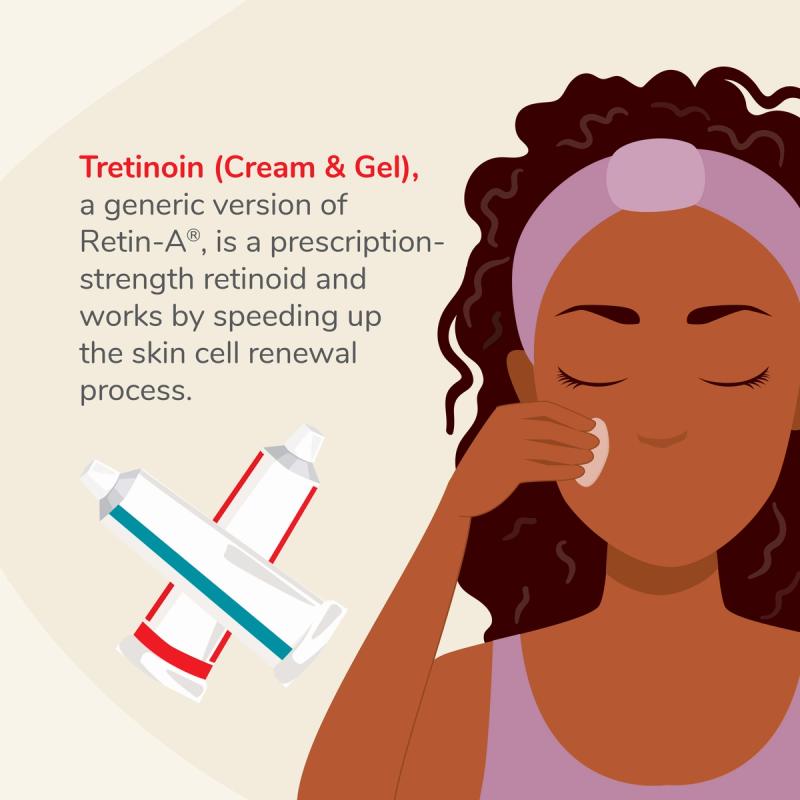
Tretinoin cream’s active ingredient is a prescription-strength retinoid designed to treat acne and signs of aging such as fine lines, wrinkles and discoloration. It works by speeding up the skin cell renewal process.29 Tretinoin cream is available by prescription only and comes in strengths of 0.025%, 0.05%, and 0.1%.
Tretinoin cream is FDA-approved and has been available for over 40 years.30 In multiple clinical trials, tretinoin was proven to reduce signs of chronological and photoaging (from the sun). Research has shown tretinoin to be effective at boosting collagen as well.31
The average price for tretinoin cream ranges from approximately $28.70 to $75.83 for 20 grams, depending on the strength.32 From RedBox Rx, you can get a tretinoin cream prescription for $20 per month, one of the lowest prices online.
Tretinoin (Retin-A®) Gel
Tretinoin gel’s active ingredient is the same as tretinoin cream, a prescription-strength retinoid. It is available in strengths of 0.01% and 0.025%. Both can be used to treat acne and signs of aging. The difference between the two is the formulation of ingredients and available strengths.
The cream is water-based, and the gel is alcohol-based. In general, the cream is less irritating to the skin initially because it is less drying. However, some users prefer the quicker absorption of an alcohol-based gel.33
Tretinoin gel is FDA approved to treat acne and signs of aging.34 The price for tretinoin gel ranges from approximately $28.70 to $75.83 for 20 g, depending on the strength.35 From RedBox Rx, you can get a tretinoin gel prescription for $33.33 per month.
Adapalene (Differin®) 0.3% Gel
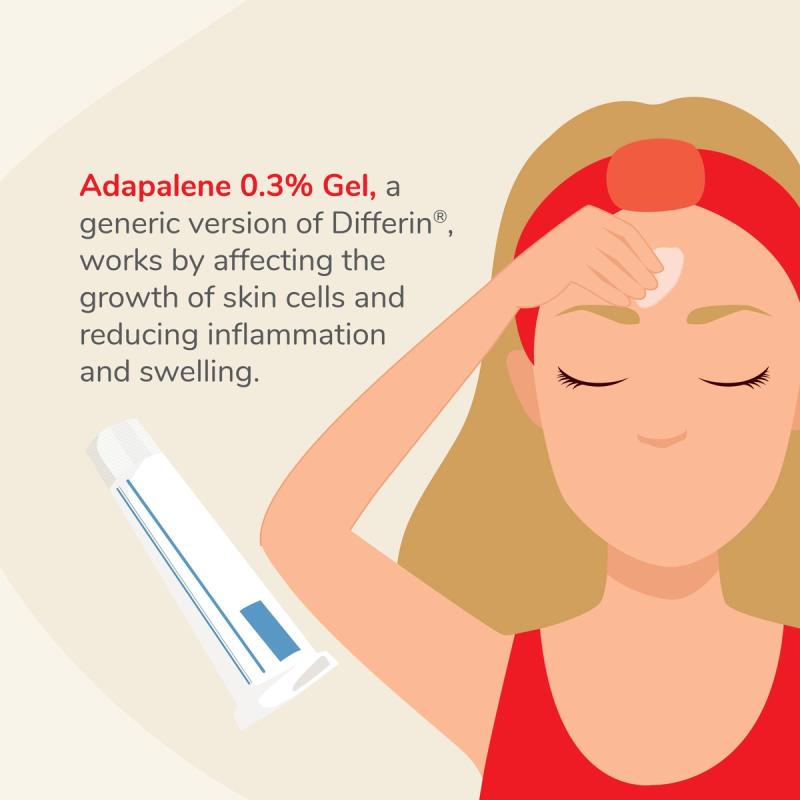
Adapalene gel also belongs to the retinoid class of medications. It works by affecting the growth of skin cells and reducing inflammation and swelling.36 Clinical research shows that adapalene effectively reduces signs of aging, including wrinkles and sun damage.37
Adapalene 0.3% gel requires a prescription and is FDA approved for topical use.38 Adapalene 0.1% is available over the counter.39 The average price of prescription adapalene 0.3% gel is around $58 for 45 grams.40 From RedBox Rx, you can get an adapalene gel prescription for $20 per month, one of the lowest prices online.
Tazarotene (Tazorac®) 0.1% Cream
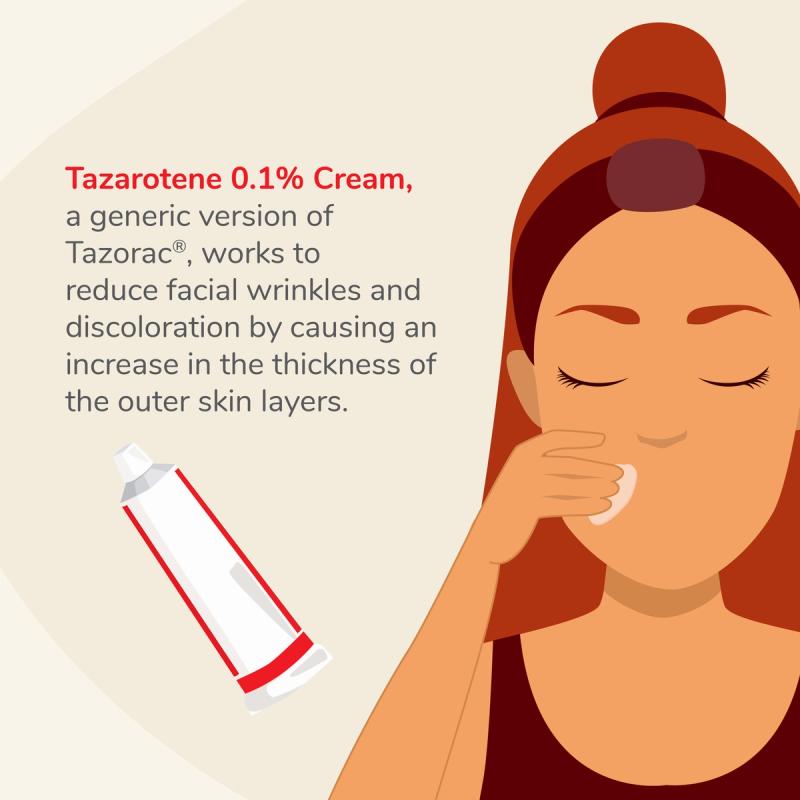
Tazarotene cream is a third-generation synthetic topical retinoid that can diminish signs of aging. It works to reduce facial wrinkles and discoloration by causing an increase in the thickness of the outer skin layers.41 Clinical research has shown tazarotene 0.1% cream to reduce signs of photodamaged facial skin and achieve results faster than tretinoin 0.05% cream.42
Tazarotene cream is FDA approved and requires a prescription.43 The average price for tazarotene 0.1% cream is approximately $333 for 30 grams.44 From RedBox Rx, you can get a tazarotene cream prescription for $75 for 30 grams, one of the lowest prices online.
Can a cream or serum replace Botox?
There are more Botox alternatives than ever, but not all work the same way, and no cream or serum has been shown to replicate Botox’s muscle-relaxing mechanism. Over-the-counter Botox alternatives contain ingredients like retinol, peptides, niacinamide, hyaluronic acid and vitamin C that may help improve hydration, skin texture and the appearance of fine lines, though clinical evidence varies by ingredient and product.
For those looking for stronger, clinically supported anti-aging results without injections, prescription options like tretinoin, adapalene and tazarotene may offer a solution. While they do not work like Botox, they can improve visible signs of aging over time through increased skin cell turnover and collagen support. The best Botox alternative depends on your goals, budget and desired results.
How RedBox Rx can help
RedBox Rx makes receiving prescription-strength anti-aging skin care easy and affordable.
Benefits of RedBox Rx include:
Transparent, affordable, flat rates for medications starting at $20 per month.
$25 consultation with a U.S. licensed medical professional.
No insurance required. FSA and HSA eligible.
No office wait times or scheduling issues typical with physical medical practices.
FREE shipping directly to you. One-time, monthly and quarterly subscriptions available.
Get started on your journey toward better skin with our online anti-aging assessment.